
Compare Local Contractors for Commercial Slab Construction Projects
Compare local contractors for commercial slab construction to clarify scope, verify experience, and set clear expectations for a successful project.
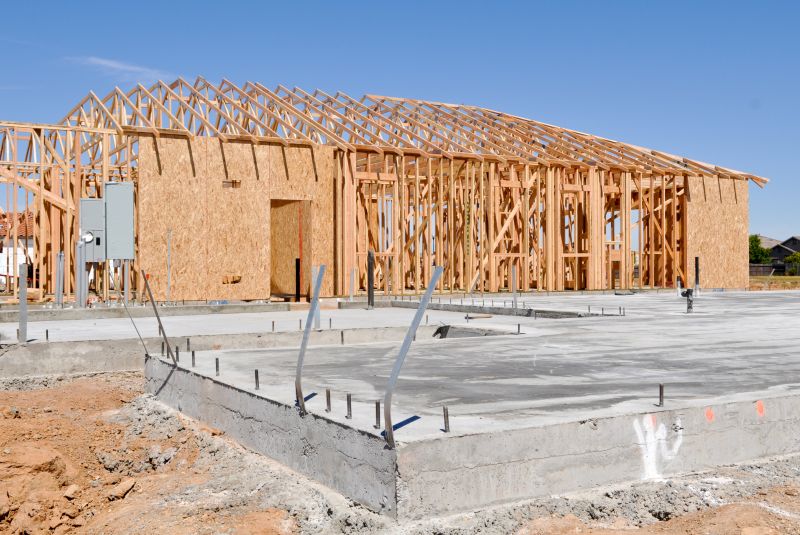
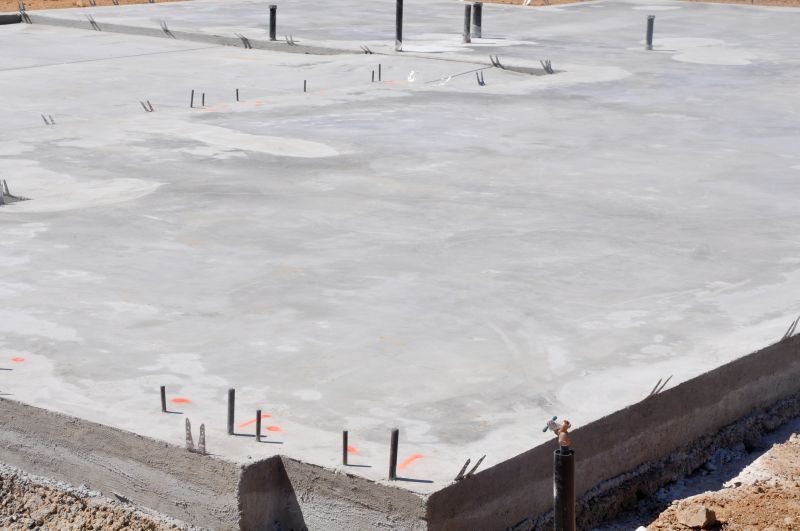
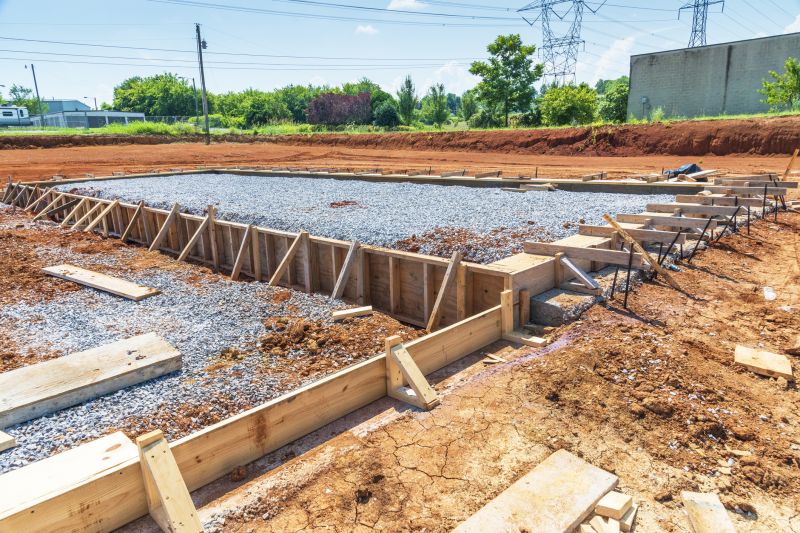
Commercial slab construction typically involves creating the foundational concrete surfaces for various types of commercial buildings, such as retail centers, warehouses, office complexes, and industrial facilities. This work encompasses tasks like site preparation, excavation, formwork, reinforcement placement, concrete pouring, and finishing. Properly constructed slabs provide the stability and durability necessary for the structural integrity of the building, making it essential for property owners to work with experienced contractors who understand the specific requirements of commercial projects.
Clearly defining the scope of work is a crucial step when engaging with contractors for commercial slab construction. A detailed scope helps ensure that all parties have a shared understanding of the project's expectations, including the size, design specifications, materials, and any site-specific considerations. Having this information in writing can prevent misunderstandings, enable accurate comparisons among service providers, and serve as a reference throughout the project's duration. It also helps property owners evaluate whether a contractor’s experience aligns with the specific demands of their project.
When comparing local contractors for commercial slab work, property owners should consider their experience with similar projects and the types of structures involved. Verifying a contractor’s familiarity with local building codes and site conditions can be beneficial. It’s also practical to review their past work, seek references, and confirm that they provide comprehensive written proposals that outline the scope, materials, and responsibilities. By focusing on these practical factors, property owners can make informed decisions and select service providers who are well-equipped to deliver quality results tailored to the needs of their commercial property.
Compare local contractors by outlining project priorities, verifying experience, and documenting scope and expectations clearly.
- Verify Experience - assess the contractor’s background with commercial slab projects to ensure familiarity with your specific needs.
- Define Project Scope - clearly outline the work requirements and expectations to facilitate accurate comparisons between service providers.
- Compare Local Contractors - evaluate multiple service providers based on expertise, reputation, and project approach to find the best match.
- Document Agreements - ensure all project details, expectations, and responsibilities are clearly written and agreed upon before work begins.

Clearly describe your commercial slab project first to effectively compare options, verify experience, and set expectations with local contractors.
- Verify the contractor’s experience with commercial slab construction projects similar in scope and size. - Ensure the service providers clearly define the scope of work and deliverables in writing before starting.
- Check that the contractor provides detailed project plans and specifications for the slab construction process. - Confirm that they have a thorough understanding of site preparation, reinforcement, and finishing requirements.
- Assess the contractor’s reputation and references within the local construction community. - Look for feedback from previous clients about their professionalism and quality of work.
- Ensure the contractor discusses potential challenges and their approach to addressing site-specific conditions. - Make sure expectations regarding responsibilities and project outcomes are outlined in writing.
- Confirm that the service provider has appropriate insurance coverage and adheres to safety standards. - Verify that all necessary permits and approvals are obtained as part of the project scope.
- Compare multiple local contractors to evaluate their communication, clarity, and responsiveness during the planning phase. - Choose a contractor who demonstrates transparency and a clear understanding of project requirements.
Compare local contractors’ experience and clarify project scope to ensure successful commercial slab construction.

Use clear, consistent scope definitions to compare local contractors effectively and ensure aligned expectations.
- Define project scope - clearly outline the size, thickness, and specific requirements of the commercial slab to be constructed.
- Verify experience and expertise - ensure service providers have a proven track record in commercial slab installation projects.
- Assess materials and methods - specify the types of concrete, reinforcement, and construction techniques to be used.
- Establish communication expectations - document how scope details, changes, and project requirements will be communicated and recorded.
- Compare service providers - evaluate local contractors based on their scope definitions, experience, and ability to meet project specifications.
When evaluating contractors for commercial slab construction, it is essential to consider their experience with projects similar in size and scope. Contractors who have completed comparable commercial projects are more likely to understand the specific requirements involved, such as load-bearing capacity, site preparation, and material specifications. Asking for details about past work can help determine whether a contractor has the relevant background and expertise needed to handle the unique challenges of a commercial slab project.
A clear, written scope of work is fundamental to establishing mutual understanding and setting expectations. The scope should outline specific tasks, responsibilities, materials, and standards that will be followed throughout the project. Having this documentation helps prevent misunderstandings and provides a reference point for agreement. When comparing service providers, it is beneficial to review how thoroughly each contractor defines their scope and whether they are willing to put this in writing before work begins.
Verification basics involve confirming a contractor’s ability to deliver on their commitments and their understanding of project requirements. This can include reviewing their project history, checking references, and verifying their familiarity with local building codes and site conditions. A contractor’s approach to verification demonstrates their professionalism and attention to detail, which are critical for ensuring the project proceeds smoothly and meets all necessary standards.
When evaluating options among local contractors, it is important to assess their communication style and professionalism in presenting their proposals. Consider how well they articulate their approach, clarify project scope, and address potential challenges. Comparing their experience and scope definitions side-by-side can reveal differences in their approach and expertise. This process helps identify service providers who are capable of delivering quality work aligned with project needs, fostering confidence in selecting a suitable partner for commercial slab construction.
Ask contractors to provide written scope details to ensure clear expectations and consistent project understanding.
- Experience and Expertise - What specific experience do local contractors have with commercial slab construction projects similar to yours?
- Scope of Work - How clearly does each contractor define the scope of work and deliverables in writing?
- Project Approach - What construction methods and materials do service providers plan to use, and how do they compare?
- Qualifications and References - Can the contractors provide references or examples of past commercial slab projects they have completed?
- Communication and Expectations - How will the contractor ensure clear communication and set expectations throughout the project?
How can I compare contractors for commercial slab construction? To compare contractors, review their experience, verify their references, and assess their ability to meet project requirements. Gathering multiple bids and asking for detailed scope descriptions can help identify the best fit for the job.
What should I include in the scope of work for my project? Clearly define the project details, including slab dimensions, materials, site preparation, and any specific requirements. Providing a detailed scope helps contractors understand expectations and submit accurate proposals.
How can I verify a contractor’s experience with commercial slabs? Request information about past projects similar in size and scope, and ask for references from previous clients. Reviewing a contractor’s portfolio can also provide insight into their expertise and quality of work.
Why is it important to have a written agreement with a contractor? A written agreement outlines project scope, responsibilities, and expectations, reducing misunderstandings. It serves as a reference point throughout the project to ensure all parties are aligned.
How do I ensure a contractor understands my project requirements? Communicate your project details clearly and ask contractors to confirm their understanding in writing. Detailed discussions and written documentation help prevent miscommunication.
What questions should I ask when evaluating local contractors for slab construction? Inquire about their experience with similar projects, request references, clarify their approach to scope management, and discuss how they handle unexpected issues or changes during construction.
This page has provided an overview of key factors to consider when choosing contractors for commercial slab construction. Visitors now understand the importance of clearly defining the scope of work, verifying the experience of service providers, and setting expectations in writing to facilitate productive comparisons. Utilizing the quote form can help connect with local contractors, enabling a straightforward way to evaluate options and find the right fit for the project.
By using the quote form, visitors can efficiently compare local service providers who specialize in commercial slab construction. This process supports informed decision-making by highlighting the differences among contractors and ensuring that project expectations are clearly communicated. Connecting with experienced local contractors through this tool can help identify professionals best suited to meet the specific needs of each project.