
Compare Local Contractors for Basement Foundation Pouring
Compare local contractors for basement foundation pouring to define project scope, verify experience, and establish clear expectations for a successful job.
Basement foundation pouring is a critical step in constructing a stable and durable basement. This work typically involves preparing the site, setting forms, and pouring concrete to create the base that supports the entire structure. Properly executed foundation pouring ensures that the basement walls are level, strong, and resistant to shifting or settling over time. Since this process requires precision and attention to detail, understanding the scope of work-such as whether it includes excavation, form-setting, reinforcement, and curing-is essential for property owners to ensure the project meets specific structural needs.
Clearly defining the scope of basement foundation pouring helps property owners set realistic expectations and avoid misunderstandings with contractors. When comparing local service providers, it’s important to verify their experience with similar projects and ask for details about their methods and materials. A written scope of work can serve as a reference point, outlining what tasks are included and establishing responsibilities. This not only facilitates effective communication but also provides a basis for evaluating whether a contractor’s approach aligns with the project’s requirements.
Property owners can compare local contractors by reviewing their experience with foundation pouring in similar types of properties or soil conditions, checking references or past project descriptions, and assessing how thoroughly they detail the work in proposals or estimates. It’s advisable to ask potential service providers about their process, the steps involved, and how they handle unforeseen issues. By focusing on the clarity of scope, experience, and communication in writing, property owners can make informed decisions and select a contractor capable of delivering the foundation work that supports a safe and lasting basement.
Compare local contractors by outlining project priorities, verifying experience, and setting clear expectations in writing.
- Verify Experience and References - Review the contractor’s past projects and seek references to ensure reliability.
- Define the Scope Clearly - Establish detailed project requirements and expectations in writing before work begins.
- Compare Multiple Service Providers - Evaluate local contractors based on expertise, reputation, and scope of services offered.
- Set Expectations in Writing - Document all project details, including responsibilities and deliverables, to prevent misunderstandings.
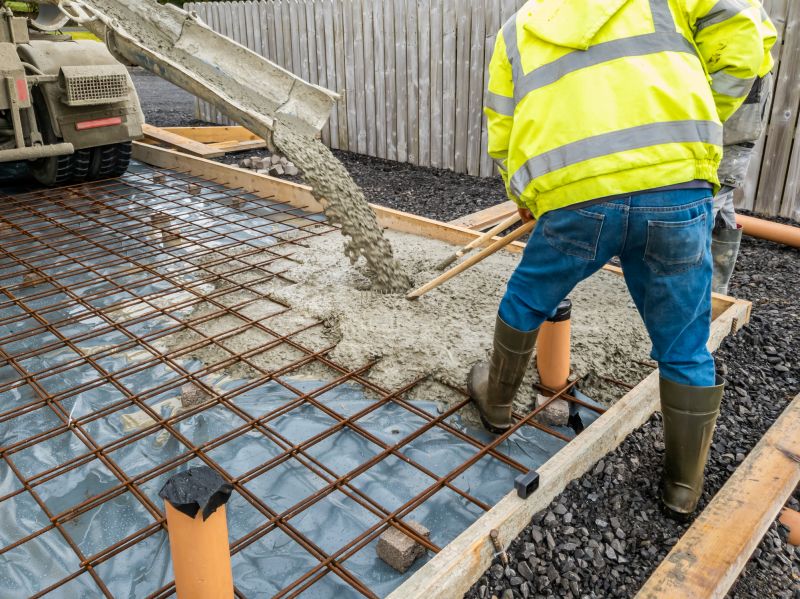
Compare local contractors by clearly defining your basement foundation pouring project, verifying experience, and setting expectations in writing.
- Verify experience and references of local contractors with basement foundation pouring projects. - Ensure service providers clearly define the scope of work and expectations in written agreements.
- Assess the contractor’s understanding of proper site preparation and soil assessment procedures. - Confirm they follow industry best practices for excavation and footing placement.
- Check that contractors plan to use appropriate materials and reinforcement methods for basement foundations. - Look for detailed explanations of concrete mix, reinforcement, and curing processes.
- Ensure that the scope includes waterproofing, drainage, and moisture control considerations. - Clarify these aspects are addressed to prevent future issues.
- Compare how local contractors plan to manage site safety and adhere to building codes during pouring. - Make sure safety protocols and code compliance are part of the project scope.
- Request detailed written estimates that outline tasks, materials, and responsibilities for the foundation pouring. - Use these documents to effectively compare and evaluate contractor proposals.
Compare local contractors’ experience and clarify project scope to ensure clear expectations.
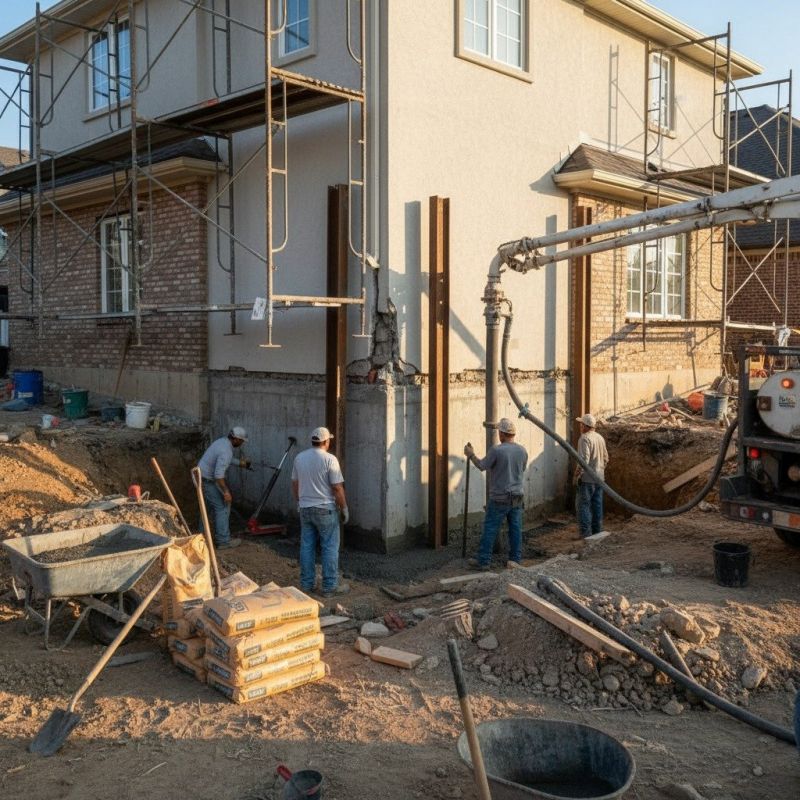
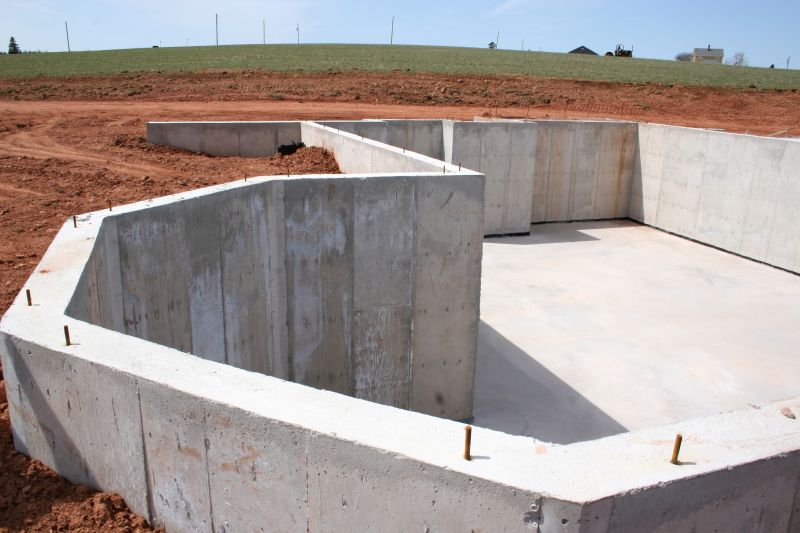
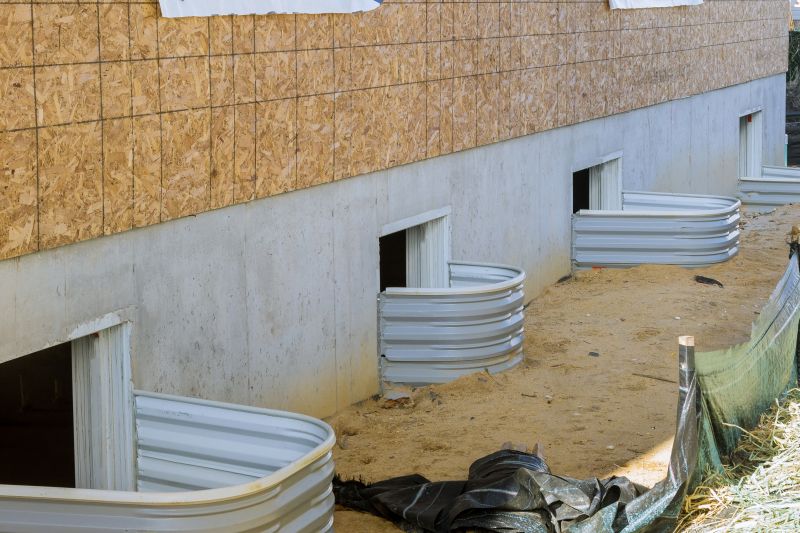
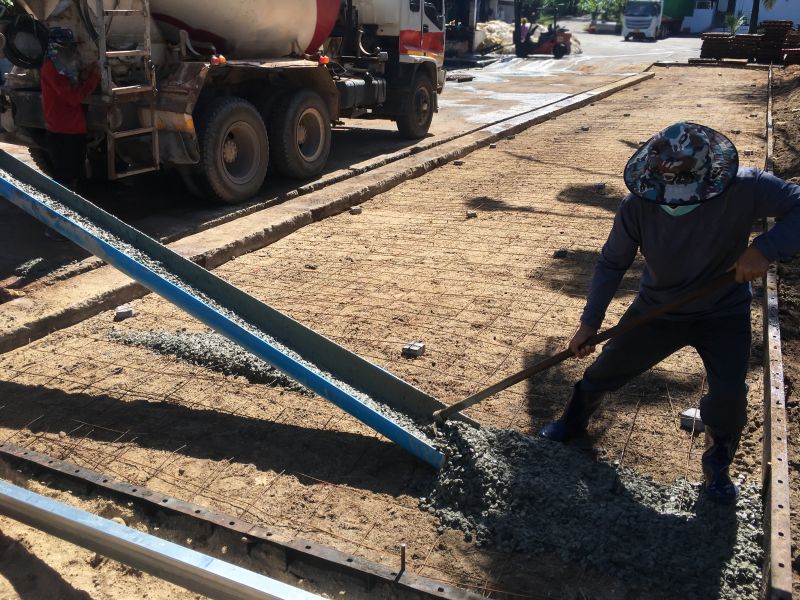
Use consistent comparison criteria to evaluate scope, verify experience, and clearly define expectations with local contractors.
- Scope Definition - Clearly outline the specific tasks and responsibilities involved in the basement foundation pouring process.
- Experience Verification - Confirm that local contractors have relevant experience with basement foundation installations in similar settings.
- Material Specifications - Specify the types of materials to be used and ensure they meet project requirements and standards.
- Quality Expectations - Establish quality standards and inspection criteria to ensure proper foundation integrity and safety.
- Written Agreement - Document all scope details, responsibilities, and expectations in a formal agreement before work begins.
When comparing contractors for basement foundation pouring, it is important to consider their experience with similar projects. Homeowners should inquire about the types of foundations they have previously poured and whether they have worked on projects comparable in size and complexity. A contractor’s familiarity with local soil conditions, building codes, and common challenges can influence the quality and durability of the work. Verifying a contractor’s track record with past projects can provide insight into their ability to deliver reliable results for specific foundation needs.
A clear, written scope of work is essential to ensure all expectations are understood and agreed upon before the project begins. Homeowners should seek detailed descriptions of the tasks involved, including site preparation, formwork, pouring procedures, and curing processes. A well-defined scope helps prevent misunderstandings and provides a basis for evaluating whether a contractor’s approach aligns with the project’s requirements. It also serves as a reference point for addressing any questions or concerns that may arise during the work.
Verification basics involve confirming a contractor’s experience and reputation through references or reviews of completed projects. Homeowners are encouraged to ask for contact information of previous clients or to seek out independent reviews to gauge satisfaction levels. It is also helpful to verify that the contractor adheres to industry standards and best practices, ensuring that the foundation pouring will meet safety and quality expectations. Gathering this information allows homeowners to make informed comparisons among service providers.
Evaluating options without focusing on prices involves assessing how well each contractor’s experience, scope, and approach align with the project’s needs. Homeowners should consider the clarity of communication, the thoroughness of the proposal, and the professionalism demonstrated during initial discussions. Comparing how contractors plan to handle site conditions, materials, and potential challenges can reveal their level of expertise and reliability. This approach helps ensure that the chosen service provider is capable of delivering a solid foundation that meets the homeowner’s expectations.
Ask contractors to provide written scope details to ensure clear expectations and consistent project understanding.
- Experience and References - What experience do local contractors have specifically with basement foundation pouring projects?
- Scope of Work - How do contractors define and document the scope of the foundation pouring to ensure clarity?
- Comparison Criteria - What factors should be used to compare the qualifications and approaches of different service providers?
- Project Expectations - How can the scope and process be clarified in writing to prevent misunderstandings?
- Work Methods and Materials - What methods and materials do local contractors typically use, and how do they differ?
What should I consider when choosing a contractor for basement foundation pouring? It's important to compare local contractors based on their experience, reputation, and scope of services to ensure they meet the specific needs of the project.
How can I verify a contractor's experience with foundation pouring? You can review their past work, ask for references, and confirm their familiarity with the type of foundation work required for your basement.
Why is it important to define the scope of work in writing? Having a clear, written scope helps set expectations, prevents misunderstandings, and provides a reference for the project's agreed-upon tasks and responsibilities.
What questions should I ask contractors during the selection process? Inquire about their previous projects, methods used, materials, and how they handle unforeseen issues to ensure they align with your project needs.
How can I compare different contractors effectively? Gather detailed information about their experience, scope of services, and references, then evaluate how well their offerings match your project requirements.
Is it necessary to get everything in writing before work begins? Yes, documenting the scope, expectations, and any agreements helps ensure clarity and accountability throughout the foundation pouring process.
Understanding the key aspects of basement foundation pouring can help homeowners make informed decisions when choosing a contractor. This includes clearly defining the scope of work, verifying the experience of service providers, and ensuring all expectations are documented in writing. Taking these steps can lead to a smoother process and a foundation that meets the project's needs.
Utilizing the quote form allows homeowners to compare local contractors efficiently and find the right service providers for their project. By reaching out through the form, it’s possible to gather information and connect with experienced professionals who can handle basement foundation pouring according to specified requirements.